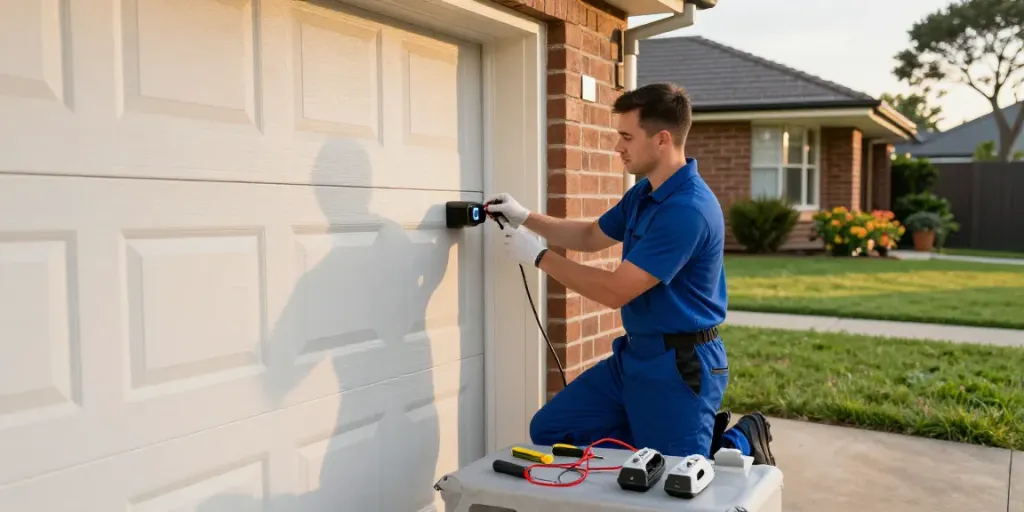
Understanding Garage Door Sensor Mechanisms
Garage door sensors are pivotal components that enhance safety and functionality in automated garage door systems. They work by detecting obstacles or movement in the door's path, ensuring that the door does not close on objects or individuals. By understanding how these sensors operate, homeowners can better manage their garage door systems and address common issues that may arise. Additionally, for those in need of professional assistance, options for garage door sensor repair are readily available and can restore peace of mind.
What are Garage Door Sensors?
Garage door sensors, typically located at the base of the door tracks, play a crucial role in safety by preventing accidents. Most systems employ a pair of sensors: one emits an infrared beam while the other receives it. If the beam is interrupted, the door automatically stops or reverses, preventing damage or injury. Understanding the mechanics and operations of these sensors is key to maintaining a safe and functional garage door.
Common Types of Sensors Used in Garage Doors
There are primarily two types of sensors used in garage doors:
- Photoelectric Sensors: These sensors use infrared beams and are the most common type found in residential garage doors. They can detect the presence of objects by emitting and receiving light beams.
- Ultrasonic Sensors: These sensors operate using sound waves and can detect objects in their path by measuring the time it takes for sound waves to bounce back from an obstacle.
How Sensors Impact Garage Door Functionality
The proper functioning of garage door sensors is essential for the door's operation. If the sensors are dirty, misaligned, or damaged, the door may malfunction, leading to safety risks and inconvenience. Regular maintenance and timely repairs can ensure that sensors perform optimally.
Identifying Common Garage Door Sensor Problems
Being aware of potential issues with garage door sensors can save you time and money. Knowing what to look for can help you determine when professional repair is necessary.
Signs Your Garage Door Sensor Needs Repair
Several indicators reveal that your garage door sensors may require attention:
- The garage door doesn't close completely or opens again immediately after closing.
- The sensors emit blinking lights, signaling misalignment or a malfunction.
- Inconsistent operation—sometimes the door finds it hard to open or close.
Common Misalignments and Their Implications
Misalignment is a frequent issue that affects sensor functionality. If the sensors are not properly aligned, the door will not recognize when an object is in the way, leading to possible accidents. Regularly checking the alignment and adjusting if necessary can effectively prevent these problems.
Understanding Sensor Electrical Issues
Electrical problems, such as frayed wires or loose connections, can also cause sensor malfunctions. Inspecting the wiring for signs of damage is vital in maintaining sensor health, as these issues can lead to complete system failure.
Step-by-Step Garage Door Sensor Repair Guide
When faced with sensor problems, a methodical approach to repair can yield effective results:
Tools Required for Effective Sensor Repair
To efficiently repair garage door sensors, gather the following tools:
- Screwdriver (flathead and Phillips)
- Wrench set
- Multimeter for electrical testing
- Cleaning supplies (clean cloth and glass cleaner)
Diagnosing the Problem: A Practical Approach
Begin by inspecting the sensors visually for dirt, misalignment, or damage. Use a multimeter to check for electrical continuity and ensure both sensors are receiving power.
How to Align and Replace Sensors
If misalignment is detected, adjust the sensors until the lights indicate proper alignment. In cases where sensors are broken or unrepairable, replacement is straightforward; follow these steps:
- Disconnect power to the garage door opener.
- Remove the old sensors from their brackets.
- Install the new sensors, ensuring they are aligned properly.
- Reconnect the power and test the operation.
Best Practices for Garage Door Sensor Maintenance
Maintaining your garage door sensors can prevent problems and extend their life. Here are practical tips for care:
Routine Checks for Optimal Performance
Regular inspections should include cleaning the lenses of the sensors and checking for alignment to ensure they function correctly throughout the year.
Cleaning and Protecting Your Sensors
Use a soft cloth with a non-abrasive cleaner to wipe down the sensors and remove any dust or debris that may obstruct their operation. Avoid using harsh chemicals that could damage the sensors.
Seasonal Maintenance Tips
With changing seasons, it’s vital to check for environmental factors that may affect sensor operation. Ensure that the area around your sensors is clear of snow, leaves, or debris that could hinder their functionality.
Future Trends in Garage Door Sensor Technology
The advancements in garage door technology continue to evolve, and sensors are no exception. Here are some trends to look out for:
Innovative Advances in Sensor Design for 2026
Upcoming sensor designs are focusing on smarter technology, integrating additional features like enhanced detection capabilities and energy-saving modes.
The Role of Smart Technology in Garage Door Systems
Smart sensors are becoming more commonplace, allowing homeowners to receive alerts on their smartphones if sensors detect issues with the garage door.
Potential for Enhanced Safety Features
Future sensors could integrate AI technology to learn the environment and reduce false signals, significantly minimizing safety risks associated with garage door operation.
How can I troubleshoot my garage door sensors?
Start by checking for basic issues like dirt on the lenses, misalignment, or loose wiring. A systematic approach often resolves most sensor problems without the need for professional intervention.
Can I replace garage door sensors myself?
Yes, replacing garage door sensors is a straightforward process that most homeowners can handle with basic tools and instructions.
What are the signs of faulty garage door sensors?
Common signs include the garage door failing to close, blinking indicator lights, or inconsistent operation. If any of these symptoms occur, it’s best to inspect the sensors promptly.
How long do garage door sensors usually last?
Garage door sensors can last anywhere from 5 to 15 years, but their longevity depends on environmental conditions and maintenance practices.
What should I do if my garage door won't close?
If your garage door won't close, check the sensors for obstructions and alignment issues. If everything appears normal, consult a professional for further diagnostics.