The Evolution of Humanoid Robots and Their Role in Culinary Arts
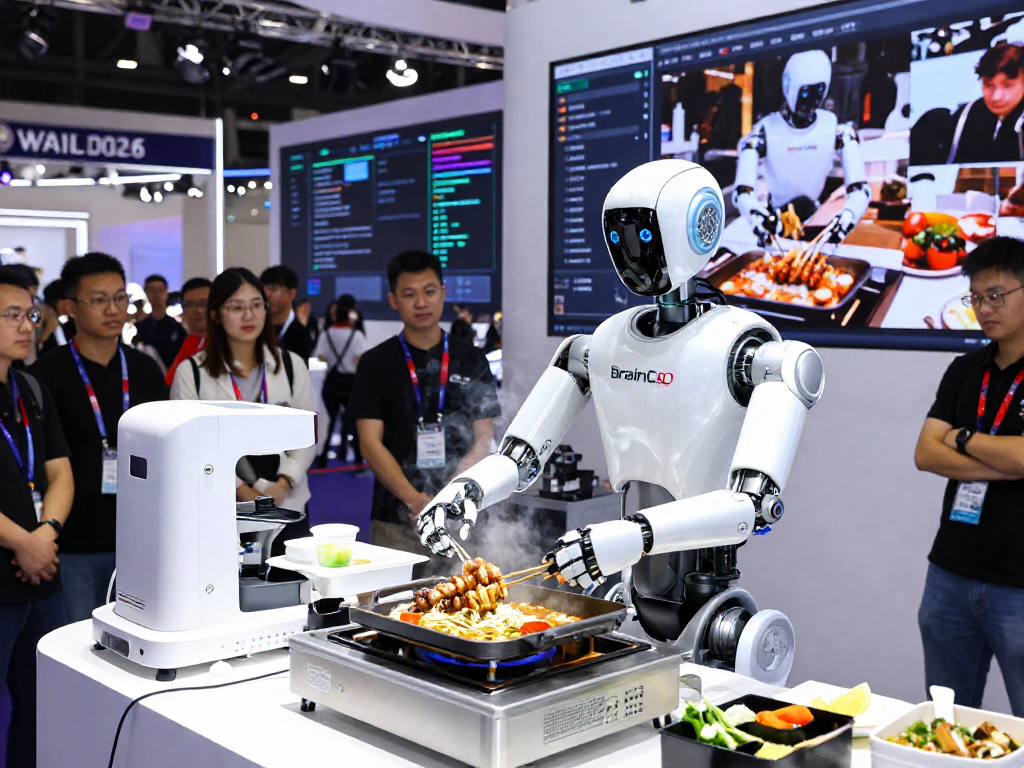
The world of robotics has witnessed remarkable advancements over the past few decades, particularly in the field of humanoid robots that are increasingly being integrated into various sectors, including culinary arts. These robots possess the ability to mimic human behavior and perform tasks traditionally handled by humans. The recent unveiling of innovative technologies at the WAIC 2026, including BrainCo's cutting-edge brain-to-robot AI platform and robots that can prepare exquisite dishes like kebabs and hand-pulled noodles, marks a significant leap in how we perceive and utilize robotics in everyday life. When exploring options, Robot 24 provides comprehensive insights into these advancements.
Historical Milestones in Robot Development
The journey of humanoid robots began in the early 20th century with the advent of mechanical automata. However, it was not until the late 20th century that robots began to gain their humanoid features. The introduction of AI and machine learning in the 1990s transformed the robotics landscape, allowing robots to not only mimic human appearance but also replicate cognitive functions. Major milestones include the development of ASIMO by Honda in 2000, which was one of the first fully autonomous humanoid robots, and the rise of robotic arms in culinary settings.
Latest Innovations at WAIC 2026
WAIC 2026 showcased an array of groundbreaking technologies that are set to redefine various industries. Notable innovations include:
- BrainCo's Brain-to-Robot AI Platform: This advanced platform allows for seamless communication between human thought processes and robotic actions, paving the way for robots that can intuitively respond to human commands and situations.
- AGIBOT's New Models: The introduction of four new robotic models capable of complex tasks signifies a shift towards more versatile operations in fields such as food service and hospitality.
- Muks Robotics' Spaceo Prime: This prototype bipedal robot emphasizes not only functionality in culinary tasks but also showcases the potential for humanoid robots in challenging environments, such as space.
Real-World Applications: Cooking and Beyond
The culinary world is one of the most promising sectors for humanoid robot integration. From preparing intricate dishes to serving customers, humanoid robots are being designed to enhance efficiency and creativity in restaurants. These robots can be programmed to execute complex recipes, manage inventory, and even engage with customers, offering a unique dining experience. Their ability to replicate human skills while maintaining consistency is invaluable, particularly in high-volume settings.
Understanding the Technology Behind Robot 24
The remarkable capabilities of humanoid robots stem from the convergence of various technological advancements, notably AI and machine learning. These fields work in tandem to create robots that learn from their environments and improve their performance over time. The latest AI algorithms allow robots to understand context and make decisions based on real-time data, enhancing their utility in settings like kitchens.
AI and Machine Learning in Humanoid Robots
Machine learning algorithms enable humanoid robots to adapt to new tasks and environments. Through techniques such as supervised learning and reinforcement learning, these robots can refine their skills by processing feedback, thereby improving their efficiency in tasks ranging from basic cooking functions to complex interactions with humans. The AI models used in humanoid robots are becoming increasingly sophisticated, allowing them to understand and anticipate human needs in various scenarios.
Brain-to-Robot AI Platform Explained
BrainCo's brain-to-robot AI platform exemplifies the latest innovations in machine-human interaction. By decoding brain signals, this technology enables users to control robots through thought alone, making tasks like cooking more intuitive. Imagine a chef who can prepare a dish simply by imagining the steps; the robot would carry out the processes in real-time based on the chef's neural commands. This revolutionary approach not only streamlines the cooking process but also allows for greater creativity and personal expression.
Integration with Kitchen Technology: A Case Study
Consider a busy restaurant that employs a humanoid robot equipped with the brain-to-robot AI platform. This robot could assist chefs during peak hours, preparing sauces, chopping vegetables, and even plating dishes, all while remaining adaptable to the chefs' styles and preferences. Such seamless integration of technology reduces wait times and enhances the overall dining experience, showcasing how advanced robotics can transform the culinary industry.
Practical Considerations for Businesses Using Robot 24
For businesses contemplating the integration of humanoid robots into their operations, there are several practical considerations to ensure successful implementation. The following areas warrant attention:
Cost-Benefit Analysis for Restaurants
Before investing in robotic technology, restaurants must conduct a thorough cost-benefit analysis. This analysis should encompass initial investment costs, maintenance, and potential increases in operational efficiency. While the upfront costs may be high, the long-term savings from improved labor efficiency and reduced human errors can make humanoid robots financially viable.
Training Staff to Work with Robots
Training staff to effectively collaborate with humanoid robots is crucial. Employees must be equipped with the skills to troubleshoot issues with the robots and understand their functionalities. A well-structured training program that emphasizes teamwork between staff and robots can foster a positive work environment and heighten productivity.
Maintaining and Upgrading Robot Systems
To sustain optimal performance, businesses must establish protocols for regular maintenance and upgrades of their robotic systems. As technology evolves, software updates and hardware enhancements are necessary to keep the robots functioning at their best and to enable them to learn new tasks.
Safety and Ethical Concerns in Robotics
As humanoid robots become more integrated into workplaces, safety and ethical considerations are paramount. Businesses must ensure a robust framework to address these concerns.
Ensuring Safe Interaction Between Robots and Humans
Safety protocols must be established to ensure safe interaction between humanoid robots and human workers. This includes developing fail-safes to prevent accidents and creating clear guidelines for when and how robots should operate in busy kitchen environments.
Addressing Job Displacement Issues
A common concern surrounding the adoption of humanoid robots is the potential displacement of jobs. It is essential for businesses to communicate transparently about the role of robots and demonstrate how they can enhance rather than replace human workers. By reallocating tasks, robots can empower staff to focus on more creative and interpersonal roles.
Regulatory Standards for Robotics in Culinary Settings
Adhering to regulatory standards is critical for ensuring the safe deployment of robotics in culinary settings. Compliance with health and safety regulations helps mitigate risks associated with integrating robots in food preparation and service.
Future Trends: What’s Next for Robot 24 and Humanoid Robotics?
Looking ahead to the next five years, the future of humanoid robotics appears promising, with several trends on the horizon that will shape the industry.
Predictions for the Next Five Years
Experts predict that by 2030, humanoid robots will be commonplace in a variety of industries, with advancements in AI and robotics leading to even more sophisticated applications. Businesses that adapt early will gain a competitive edge in efficiency and customer service.
Expanding the Use of Humanoid Robots Beyond Cooking
While the culinary sector is a focal point for humanoid robotics, their usage is expected to expand into other areas such as healthcare, education, and customer service. As these robots become more capable, they will perform tasks that require higher levels of cognitive processing and emotional interaction.
Emerging Technologies Shaping the Future of Robotics
Emerging technologies, such as advanced sensors, improved battery life, and enhanced communication protocols, will continue to drive the evolution of humanoid robots. These innovations will enhance their functionality and increase their adaptability to dynamic environments, making them more valuable across various sectors.
What is Robot 24?
Robot 24 is a leading platform dedicated to providing insights and updates on the latest developments in robotics and automation, particularly humanoid technology in various industries.
How do humanoid robots enhance food preparation?
Humanoid robots streamline food preparation by executing precise tasks efficiently, allowing chefs to focus on creativity and presentation while the robots handle repetitive or labor-intensive work.
What should businesses consider before adopting robotic technology?
Businesses must evaluate the costs, train employees adequately, and create a maintenance plan before integrating robotic technology into their operations.
How can safety concerns be mitigated with humanoid robots?
Establishing safety protocols, conducting regular risk assessments, and ensuring compliance with industry regulations can mitigate safety concerns in environments where humanoid robots are present.
What are the future opportunities for humanoid robotics in various industries?
The future for humanoid robotics is bright across various sectors, including hospitality, healthcare, and education, with many opportunities for innovation and improvement in operational efficiency.