
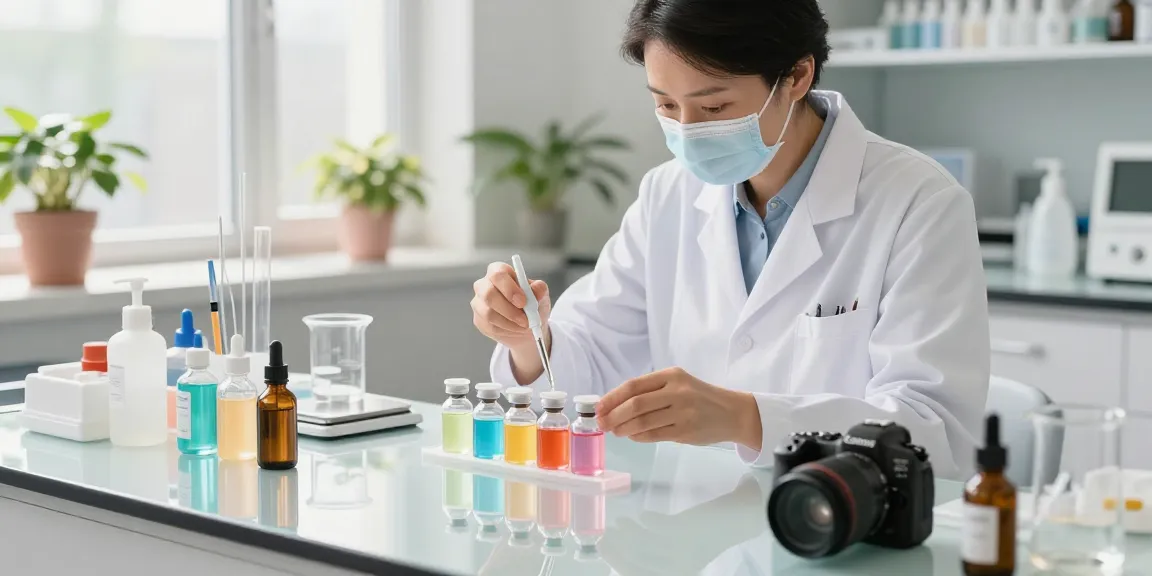
Understanding Skin Repair Peptides
Skin repair peptides have ushered in a new era of skincare, attracting attention from dermatologists, beauty enthusiasts, and anyone interested in the science of skin health. These small chains of amino acids play a crucial role in repairing and rejuvenating the skin, promoting a youthful appearance. The effectiveness of these peptides is backed by numerous studies, making them increasingly popular in topical formulations and skincare regimens. When exploring options, skin repair peptide products can offer comprehensive insights into how these ingredients can enhance overall skin quality.
What Are Skin Repair Peptides?
Skin repair peptides are short sequences of amino acids that naturally occur in the body. They are essential for various biological functions, including wound healing, inflammation response, and cellular communication. In the context of skincare, these peptides act as signaling molecules, prompting cells to perform specific actions that lead to improved skin health. By mimicking natural processes, skin repair peptides help to enhance the skin’s barrier function, reduce inflammation, and stimulate collagen production, all vital components of maintaining youthful and healthy skin.
Benefits of Skin Repair Peptides for Skin Health
The benefits of skin repair peptides are extensive, leading to their increasing incorporation into skincare products. Some of the notable advantages include:
- Enhanced Skin Barrier Function: Peptides help reinforce the skin’s natural barrier, protecting it from environmental aggressors.
- Improved Elasticity: By boosting collagen production, peptides can restore elasticity and firmness to the skin, combating signs of aging.
- Reduction of Inflammation: Many skin repair peptides possess anti-inflammatory properties, which can mitigate redness and irritation.
- Wound Healing: Certain peptides are known to accelerate the healing process of minor injuries, promoting faster recovery.
- Hydration: Peptides can aid in moisture retention, ensuring the skin remains hydrated and plump.
How Skin Repair Peptides Work at a Cellular Level
At a cellular level, skin repair peptides communicate with skin cells to initiate repair processes. When applied topically, these peptides penetrate the outer layer of skin and interact with receptors on the cell surfaces. This interaction stimulates various cellular functions, including the production of collagen and elastin, two proteins crucial for skin structure and elasticity. Furthermore, peptides can help regulate the activity of enzymes responsible for breaking down collagen, thus preserving the skin’s integrity and reducing signs of aging.
Key Ingredients in Skin Repair Peptide Formulations
Common Peptides Used in Skin Repair
Various peptides are utilized in skin repair formulations, each offering unique benefits. Commonly found skin repair peptides include:
- GHK-Cu: Known for its robust wound-healing properties, GHK-Cu promotes collagen synthesis and acts as an anti-inflammatory agent.
- Palmitoyl Pentapeptide-4: This peptide enhances collagen production and improves skin texture.
- Acetyl Hexapeptide-8: Often referred to as “Botox in a jar,” it helps reduce the appearance of fine lines by inhibiting muscle contractions.
- Tripeptide-1: Stimulates collagen and elastin production, crucial for maintaining skin firmness and elasticity.
Complementary Ingredients to Enhance Efficacy
In addition to peptides, several complementary ingredients can enhance the efficacy of skin repair formulations. These include:
- Hyaluronic Acid: A powerful humectant that draws moisture into the skin, enhancing hydration.
- Vitamin C: An antioxidant that helps protect the skin from free radicals while promoting collagen synthesis.
- Niacinamide: Known for its anti-inflammatory properties, it helps improve skin tone and texture.
- Retinol: A derivative of Vitamin A, retinol stimulates cell turnover and increases collagen production.
The Role of Delivery Systems in Peptide Effectiveness
The effectiveness of skin repair peptides largely depends on their delivery systems. Advanced formulations utilize liposomes, nanosomes, and microemulsion technologies to enhance peptide penetration. These delivery systems ensure that peptides reach deeper layers of the skin, maximizing their restorative effects. A well-designed formulation can significantly improve the bioavailability of peptides, ensuring that they remain stable and active upon application.
Application Techniques for Optimal Results
Best Practices for Applying Skin Repair Peptides
To maximize the benefits of skin repair peptides, proper application techniques are essential. Here are some best practices:
- Cleanse Before Application: Always start with a clean face to remove any dirt or impurities that may hinder absorption.
- Apply on Damp Skin: Applying peptides to slightly damp skin can enhance penetration and effectiveness.
- Layering: Follow with moisturizers or serums that contain complementary ingredients for enhanced results.
Integration into Existing Skincare Routines
Integrating skin repair peptides into a skincare routine can be seamless. They can be used in conjunction with serums, moisturizers, and even make-up products. It’s advisable to introduce peptides gradually, starting with a few times a week and increasing frequency as tolerated. This allows the skin to adapt and reduces the risk of irritation.
Frequency and Timing for Applications
The frequency and timing of peptide application can influence their effectiveness. Most experts recommend applying skin repair peptides twice a day, morning and night, following cleansing. However, some formulations may be more potent and are designed for nightly use only. Always refer to the product guidelines for specific recommendations to achieve the best results.
Real-World Case Studies and Testimonials
Success Stories from Users of Skin Repair Peptides
Numerous users have reported remarkable improvements in their skin health after incorporating skin repair peptides into their routines. Testimonials highlight reduced wrinkles, improved skin tone, and increased hydration. Many have shared before-and-after photos demonstrating visible transformations in skin texture and elasticity.
Clinical Trials and Research Findings
Clinical research has shown that skin repair peptides can significantly improve skin health. Studies indicate measurable increases in collagen production and elasticity among participants using peptide-based products versus those using standard creams. These findings validate the effectiveness of skin repair peptides in real-world applications.
Expert Opinions and Recommendations
Dermatologists and skincare experts advocate for the integration of skin repair peptides into daily skincare routines. Many experts recommend looking for products with scientifically-backed formulations containing proven peptides like GHK-Cu and Palmitoyl Pentapeptide-4. They emphasize the importance of consistency and adherence to a routine for optimal results.
Future Trends in Skin Repair and Peptide Research
Emerging Technologies in Skin Repair Solutions
The future of skin repair peptides is bright, with new technologies continually emerging. Research is focusing on synthesizing more effective peptides and exploring combinations that can offer compounded benefits. Advances in biotechnology may lead to the development of custom peptide blends tailored to individual skin concerns.
Innovations Expected in 2026 and Beyond
Looking ahead to 2026, we can expect more personalized skincare solutions utilizing artificial intelligence to analyze skin conditions and recommend specific peptide formulations. Additionally, advancements in nanotechnology may enhance the delivery of these peptides, ensuring deeper penetration and faster results.
Consumer Trends Shaping the Skincare Industry
Consumers are increasingly knowledgeable about skincare ingredients, leading to a demand for transparency and effectiveness. The trend towards clean and sustainable beauty will also shape how skin repair peptides are marketed and formulated, as consumers seek products that are not only effective but also environmentally friendly.