Understanding CIKA4D and Its Role in Indoor Agriculture
As the demand for sustainable food production increases, especially in urban areas, the significance of indoor agriculture continues to rise. One solution that has garnered attention is cika4d, a modern approach to designing and constructing facilities for indoor agriculture. This comprehensive framework not only enhances the efficiency of grow rooms and vertical farms but also supports sustainable practices, which are essential in today’s agricultural landscape.
What is CIKA4D?
CIKA4D is a forward-thinking initiative that provides design and construction services specifically tailored for indoor agricultural settings. This includes everything from grow rooms to large-scale vertical farms. The main goal is to create environments that maximize plant growth while minimizing resource consumption. By integrating advanced technologies and innovative designs, CIKA4D enables farmers to produce high-quality crops year-round, regardless of external climate conditions.
The Importance of Indoor Agriculture in 2026
By 2026, indoor agriculture is expected to play a pivotal role in meeting the food production demands of an ever-growing global population. With urban areas expanding and arable land decreasing, indoor farming offers a viable solution. Utilizing controlled environments, these farms can produce food closer to consumers, reducing transportation costs and carbon footprints. Furthermore, the ability to control variables such as light, temperature, and humidity fosters an optimal growing environment, which is crucial for consistent crop yields.
Key Benefits of CIKA4D Solutions
- Increased Yields: With precise control over growing conditions, CIKA4D facilities can achieve higher crop yields compared to traditional farming.
- Sustainability: CIKA4D promotes sustainable practices such as water recycling and energy-efficient technologies.
- Customization: Each facility can be tailored to the specific needs of the crops being grown, ensuring maximum efficiency and productivity.
- Year-Round Production: The controlled environments allow for uninterrupted crop cycles, reducing the impact of seasonal changes.
Designing Your Indoor Agriculture Space with CIKA4D
Designing an effective indoor agriculture space requires careful consideration of various elements that influence plant growth. CIKA4D facilities integrate innovative design principles that cater to the unique needs of modern farming.
Essential Features of a CIKA4D Facility
A CIKA4D facility is characterized by several essential features that enhance the growing environment. These include:
- Advanced Lighting Solutions: Utilizing LED technology allows for tailored light spectra, optimizing photosynthesis and growth.
- Climate Control Systems: Automated systems regulate temperature and humidity, creating a stable environment for crops.
- Efficient Space Utilization: Vertical farming techniques maximize plant density, increasing production without expanding footprint.
Planning Layouts for Optimal Growth
Creating an effective layout within a CIKA4D facility is crucial for maximizing productivity. Key considerations include:
- Accessibility: Ensuring that all areas of the farm are easily accessible for maintenance and harvesting.
- Flow of Operations: Designing workflows that minimize time spent moving between tasks.
- Crop Segmentation: Grouping plants by growth stage or species to facilitate specific care needs.
Incorporating Advanced Technology in Design
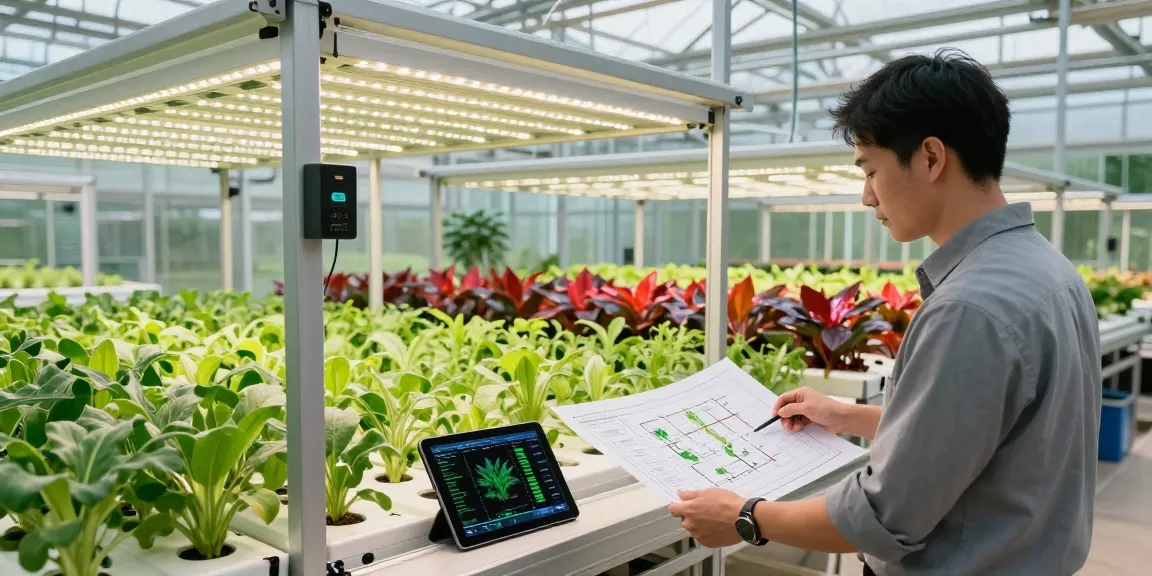
CIKA4D facilities leverage cutting-edge technology to enhance operational efficiency. This includes:
- Hydroponic and Aeroponic Systems: These methods allow for soil-less farming, reducing water use and increasing nutrient absorption.
- Automated Sensors: Sensors monitor environmental conditions in real-time, enabling rapid adjustments to optimize growing conditions.
- Data Analytics: Utilizing data from crop performance analytics to inform future planting and management decisions.
Construction Phases of CIKA4D Projects
The successful construction of a CIKA4D facility involves several structured phases to ensure timely delivery and adherence to quality standards.
Initial Consultation and Assessment
The first step in any project is to engage with clients to understand their specific needs and objectives. This involves:
- Site Assessment: Evaluating the physical location for potential challenges and advantages.
- Feasibility Studies: Determining the economic viability of the proposed facility.
- Design Brief Creation: Developing a comprehensive plan that outlines the project scope and specifications.
Implementation Strategies for Efficient Construction
Once the design brief is established, CIKA4D employs efficient construction strategies that include:
- Modular Construction Techniques: Utilizing prefabricated components to expedite construction time.
- Project Management: Implementing robust project management practices to keep the project on track and within budget.
- Regular Updates: Maintaining clear communication with clients through regular progress reports and updates.
Quality Control and Best Practices in Building
Quality control is a cornerstone of the CIKA4D construction process. Best practices include:
- Material Quality Checks: Ensuring all materials meet industry standards before use.
- Field Inspections: Conducting regular site inspections to uphold quality and safety standards.
- Feedback Loops: Incorporating feedback from all stakeholders to continuously improve construction practices.
Operational Excellence in CIKA4D Facilities
Once constructed, maintaining operational excellence in CIKA4D facilities is essential for long-term success.
Managing Climate and Environmental Factors
Effective climate control is critical in indoor agriculture. Strategies include:
- Temperature Regulation: Utilizing heating and cooling systems to maintain optimal temperatures.
- Humidity Control: Installing dehumidifiers or humidistats to ensure moisture levels are within desired ranges.
- Air Flow Management: Implementing ventilation systems to ensure adequate air circulation.
Maximizing Energy Efficiency and Sustainability
In today’s agricultural landscape, sustainability is paramount. CIKA4D facilities focus on:
- Renewable Energy Sources: Integrating solar panels or wind turbines to reduce reliance on non-renewable energy.
- Water Conservation Techniques: Utilizing drip irrigation and water recycling systems.
- Energy-Efficient Systems: Employing LED lighting and energy-efficient HVAC systems.
Common Challenges and Solutions in Indoor Farming
While indoor agriculture offers numerous advantages, there are challenges to consider:
- Pest Management: Implementing biological pest control methods to minimize chemical usage.
- Initial Capital Investment: Exploring financing options and grants specifically for sustainable agriculture projects.
- Technical Skill Requirements: Providing training and resources for staff to manage advanced technologies effectively.
Future Trends and Innovations in CIKA4D
The field of indoor agriculture is rapidly evolving, and CIKA4D is at the forefront of this innovation.
Emerging Technologies Shaping Indoor Agriculture
New technologies are continually emerging, shaping the future of indoor agriculture. Key trends include:
- Artificial Intelligence: Utilizing AI to predict crop yields and optimize growing conditions.
- Internet of Things (IoT): Connecting devices to monitor and control environmental conditions remotely.
- Vertical Farming Integration: Designing facilities that incorporate multi-layered growing systems to maximize space utilization.
Predictions for CIKA4D in the Coming Years
As the demand for food continues to grow, CIKA4D is expected to evolve by:
- Expanding Globally: Bringing innovative indoor agriculture solutions to diverse markets.
- Enhancing Customization: Offering more personalized solutions based on regional agricultural needs.
- Strengthening Partnerships: Collaborating with tech companies and agricultural experts for continuous improvement.
How CIKA4D Will Evolve to Meet Industry Needs
To stay ahead of the curve, CIKA4D will focus on:
- Research & Development: Investing in R&D to explore new farming methods and technologies.
- Scalability: Developing scalable solutions that can be adapted to both small and large operations.
- Community Engagement: Fostering relationships with local farming communities to tailor solutions to their challenges.
What are the main advantages of using CIKA4D?
CIKA4D offers significant advantages, including optimized growth environments, sustainability, and year-round crop production.
How can I optimize my indoor farming setup with CIKA4D?
Utilizing CIKA4D principles allows farmers to customize their setups based on specific crop needs, enhancing yield and efficiency.
What common issues do indoor agriculture facilities face?
Common challenges include pest management, high initial costs, and the need for technical expertise, all of which CIKA4D addresses effectively.
How does CIKA4D improve sustainability and efficiency?
CIKA4D improves sustainability through energy-efficient designs, water conservation methods, and the integration of renewable energy sources.
What are the future trends in indoor agriculture and CIKA4D?
Future trends include the use of AI, IoT technology, and an increasing focus on sustainability and local food production.